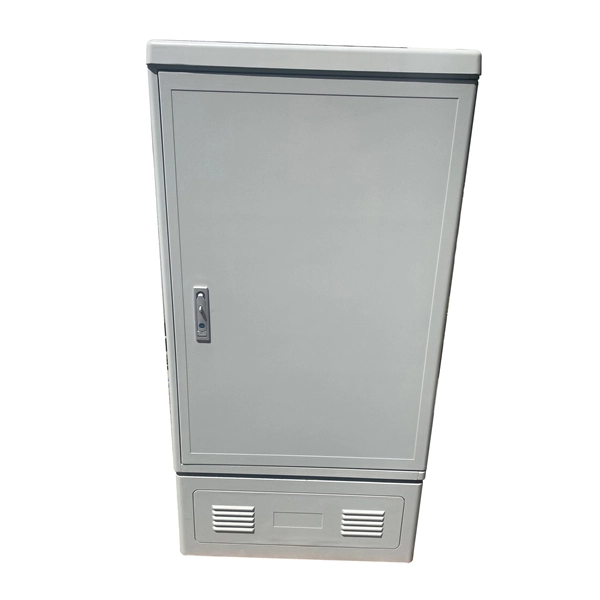
Hotel guest room electrical distribution boxes are designed to safely distribute power to room circuits, integrate energy-saving controls, and ensure operational flexibility and safety. Core Configuration Principles1. Main Components: A typical hotel room distribution box (DB) includes a main circuit breaker, branch circuit breakers, and sometimes a contactor for controlling multiple loads simultaneously.
The main breaker protects the room's overall electrical system, while branch breakers manage individual circuits such as lighting, outlets, HVAC, and mini-bars. 2. Energy Management Integration: Modern hotel DBs often integrate with key card systems.
When a guest inserts the key card, the room enters “occupied mode,” activating electrical loads. Removing the card automatically disconnects non-essential circuits, reducing energy consumption by up to 50% while keeping critical circuits like air conditioning or mini-bars operational. 3.
Modular and Plug-in Systems: Plug-in or modular systems, such as Wieland gesis® and RST®, allow pre-assembled components to be installed quickly in walls or furniture. These systems simplify maintenance, enable rapid replacement of defective equipment, and reduce installation complexity, even allowing non-electricians to perform basic tasks under supervision. 4.
Safety and Compliance: Hotel DBs are designed to meet international standards, such as IEC 61439-3 for type-tested distribution boards and IEC 60898-1 for MCBs. Features include earth continuity, dead front covers, and protection against electric shock, ensuring both guest and staff safety. 5.
Circuit Segregation and Flexibility: Circuits are typically segregated into service circuits (always on) and guest-controlled circuits. This allows flexibility in customizing branch breaker ratings to accommodate different room layouts or equipment requirements.
The D
B design also considers aesthetics, blending with room decor while remaining functional. 6. Integration with Hotel Infrastructure: Distribution boxes are part of a larger electrical ecosystem, coordinating with HVAC, lighting, and automation systems.
Proper planning ensures optimal power supply, efficient cabling, and compatibility with backup power sources like diesel generators for critical loads.
Practical Considerations
Location: DBs are often installed in accessible but discreet areas, such as behind service panels or inside furniture. Maintenance: Modular design allows quick replacement of faulty breakers or components without disrupting room availability. Scalability: Systems can be expanded or reconfigured to accommodate new technologies or additional loads.
By combining safety, energy efficiency, modularity, and integration with hotel automation, modern hotel guest room distribution boxes ensure reliable power delivery while enhancing operational efficiency and guest comfort.